Define the lift: load, height, and reach
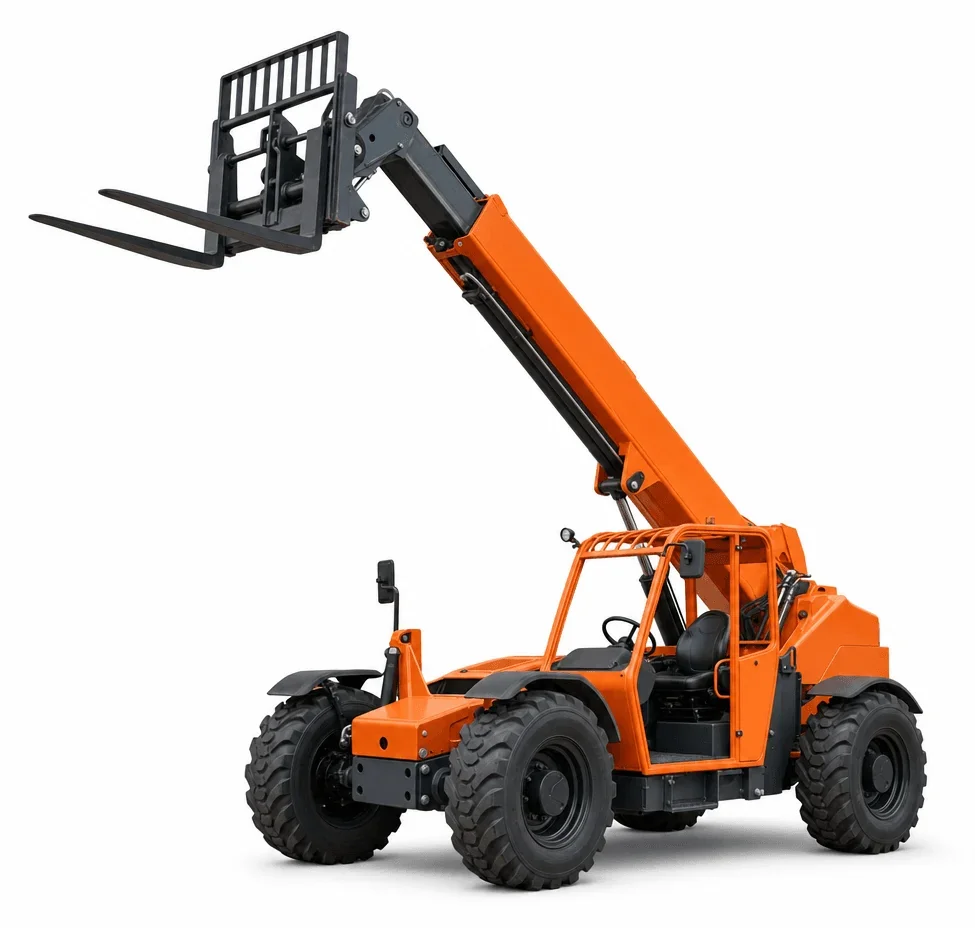
Start with the load weight, the height of the landing point, and the required horizontal reach. Capacity drops as the boom extends, so the load chart for the selected unit and site procedures govern what is possible. Know pallet dimensions, rigging clearances, and whether you must place inside or just past a threshold.
Ground and approach realities in Macon
- Mixed surfaces: Many jobs move from paved aprons to compacted gravel or turf. Tire type and ground clearance influence stability on these transitions.
- Grades and drainage: Afternoon storms can change rut depth and surface firmness. Plan staging to avoid soft spots and confirm turning room for delivery trucks.
Maneuvering in tight corridors
Downtown renovations and campus work may involve alley approaches, scaffolds, and pedestrians. Shorter wheelbases and better turning radius help. If the task is pallet movement entirely on smooth slab, compare /forklift-rental/ for simpler, more compact handling.
Boom geometry vs. alternatives
- Need to place loads deep onto elevated decks? A telehandler’s reach is useful, but verify setback distance and obstructions.
- Only lifting people, not materials? Consider /boom-lift-rental/ for aerial access instead of a material handler.
Capacity classes
Lighter units suit interior framing material or light MEP bundles; higher-capacity classes fit exterior steel, precast, or long-run pallets typical around industrial sites. Have the heaviest expected load and furthest placement ready when you call.
Support equipment
Large jobs often coordinate with site power or nighttime phases. If the plan involves evening work, see /generators-light-towers-rental/ for lighting and temporary power. For staging protection, /temporary-fencing-barricades-rental/ can help define laydown zones.
Contact Macon Scissor Lift Rentals at (478) 330-3688 or visit /contact/ with load, reach, and surface details.