Match the unit to the work envelope
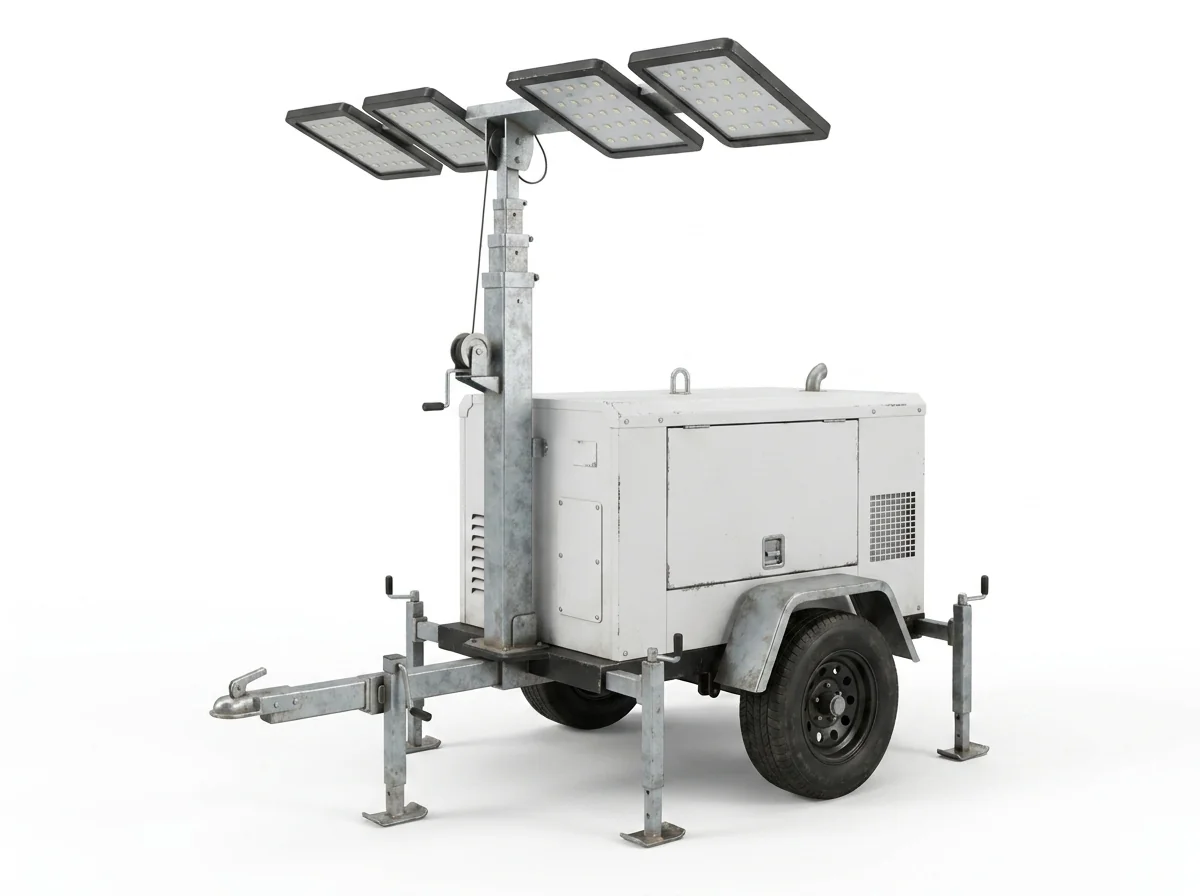
The first constraint is space. In local distribution buildings, aisle width and rack height determine whether a compact generator and low-glare light cart can sit below the task without blocking lifts or pedestrians. In downtown buildings with sensitive floors, total wheel load and vibration matter more than raw output. On industrial sites along the corridor, turning radius and ground clearance control how the package moves across ruts after a rain.
- Indoors: favor compact frames, low-emission power, and light heads that reduce glare off polished floors and labels.
- Mixed-use docks: consider sound level where night shifts overlap with nearby residences.
- Exterior laydown: rough-terrain light towers handle uneven grades better than slab-style carts.
Weather and runtime in the regional climate
Afternoon storms and high humidity push you toward sealed connectors, weather-rated enclosures, and mast systems that lower quickly when conditions change. Runtime estimates must account for extended night work during changeovers and the added draw of multiple task lights in shaded loading courts.
- Plan for rapid shutdown and secure stow when thunderheads build.
- Heat load affects output de-rating and fuel turnover; ventilation around the unit matters in stagnant air.
Power distribution and access routing
Route power so lifts, pallet jacks, and foot traffic can pass. In high-bay interiors, keep cabling aligned with rack lines. On historic blocks, curb space and sidewalk clearances limit where a tower can sit without encroaching on entries.
- Note entry widths, threshold heights, and elevator capacities before choosing frame size.
- Verify surface type: slab, pavers, compacted gravel, or sod will change stabilization needs.
Light placement relative to aerial work
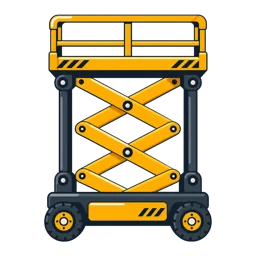
If scissor or boom lifts will work above dusk hours, verify the tower can sit below the task without casting hard shadows into the work zone. Where reach is the constraint rather than height, a boom unit may reposition frequently; lighting should anticipate swing paths. See related planning: /electric-scissor-lift-rental/, /boom-lift-rental/, and /aerial-lift-rental/.
When containers or fencing share the site
Power and lighting plans tighten when temporary storage or barricades define narrow corridors. Coordinate generator exhaust and tower swing with container doors and fence lines. Related site products: /storage-containers-rental/ and /temporary-fencing-barricades-rental/.