Why Macon’s work environments change the comparison
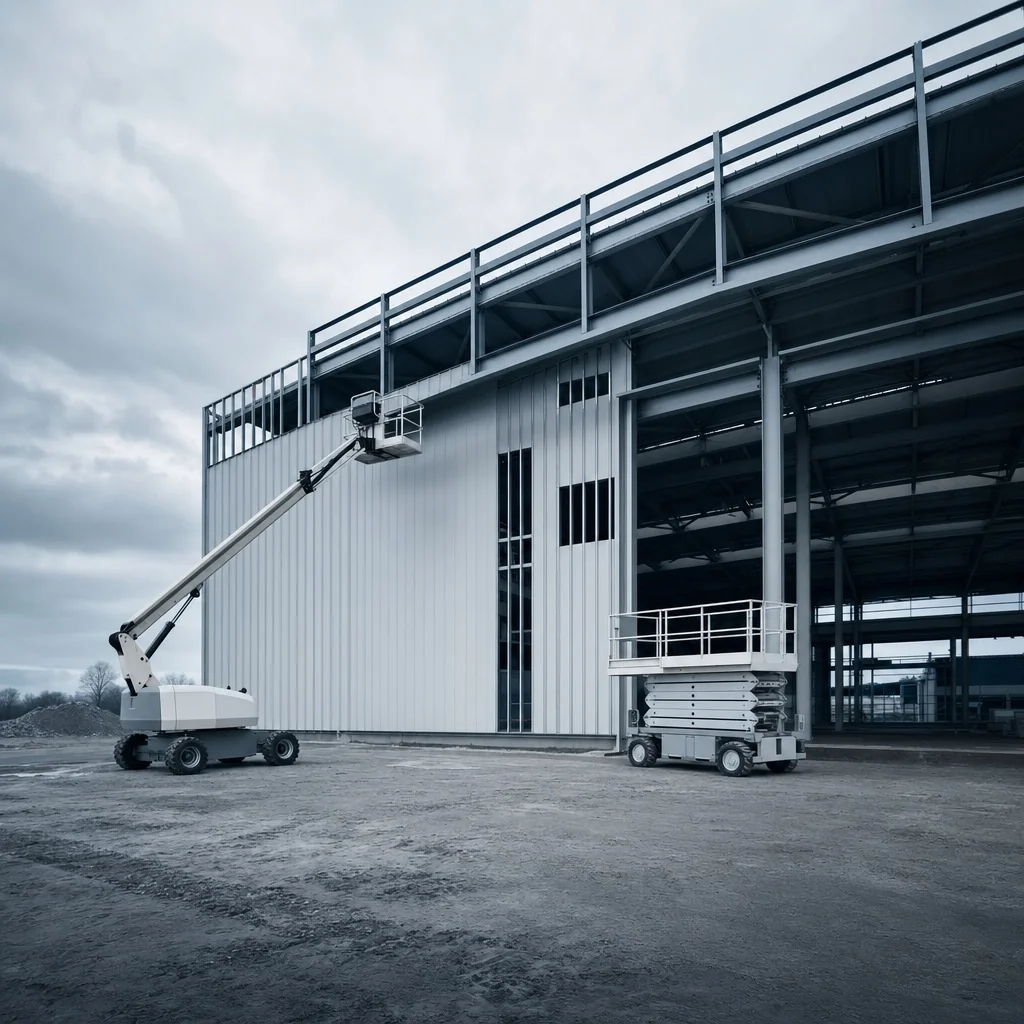
Projects here swing from polished warehouse slabs to uneven outdoor yards and brick-and-mortar restorations downtown. That range changes which scissor or boom configuration makes sense. For example, warehouse racking rows favor compact electric slab scissors, while outdoor construction on rolling grades points to rough‑terrain scissors or booms with higher ground clearance.
Decision points we emphasize
- Floor and ground conditions: smooth interior concrete vs. mixed surfaces or slopes around jobsites on the Fall Line.
- Access width and turning: narrow corridors in older buildings, tight dock aisles in distribution spaces, or courtyard constraints on campuses.
- Height and reach geometry: straight up-and-down work vs. up-and-over tasks around façades, pipe racks, and MEP conflicts.
- Power and emissions: indoor work often suits electric machines; extended exterior tasks may need engine power and weather tolerance in humid summers.
How pages are organized
Each equipment category page leads with job geometry, layers on Macon-specific conditions like storm‑prone afternoons or sensitive historic flooring, then lists the specs that typically matter—platform height ranges, machine width and weight classes, and tire/trak approaches by surface type. When a project leans more vertical than lateral, we reference booms at /boom-lift-rental/ and niche options like /vertical-mast-lift-rental/ for ultra‑tight interiors.
When historic preservation meets modern logistics
Downtown renovations often require lighter machines with non‑marking tires and compact footprints to respect older finishes and narrow stair halls. On the other end, high‑bay inventory work in local distribution buildings prioritizes slim electric scissors that fit between racks and charge quietly. Outdoor assembly or façade phases may tip the choice to /rough-terrain-scissor-lift-rental/ or an /articulating-boom-lift-rental/ for up‑and‑over access.
Getting from research to a call
After scoping space, height, and surface limits, many readers compare across /electric-scissor-lift-rental/ and /aerial-lift-rental/ to confirm whether a scissor’s vertical geometry is enough or a boom’s outreach is required. For questions specific to your site layout, reach out via /contact/.